Entry · Ref G7JEQ1XS
How Pest Control Services in Sussex County Handle Ant Infestations
- Posted
- 2026-11-06
- Last amended
- 2026-11-06
- Account
- @tysonuuoi531
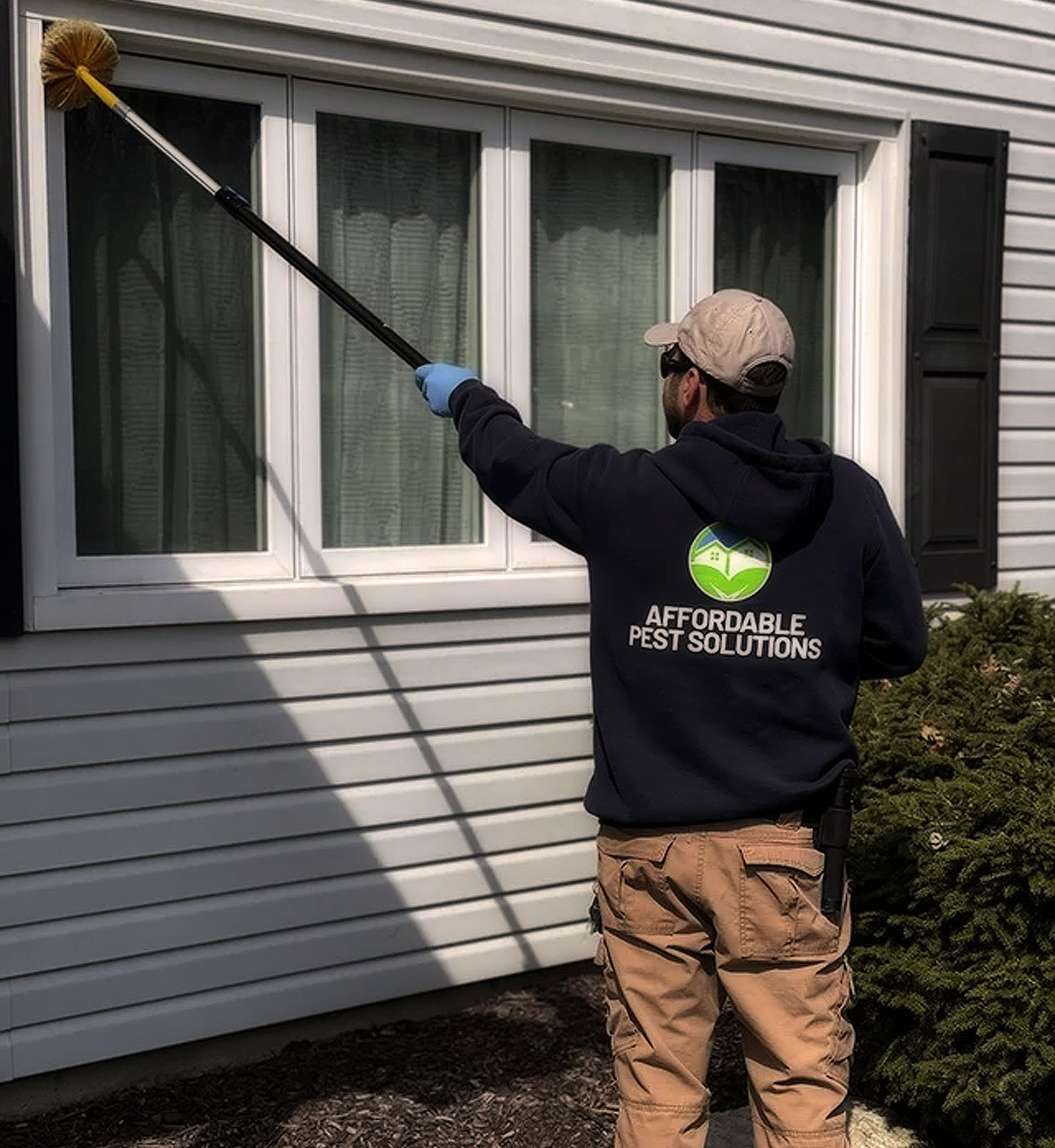
Ant problems rarely start with a dramatic moment. Most homeowners first notice a thin trail along a baseboard, a few workers circling a pet bowl, or a scatter of winged ants near a window after rain. It feels minor at first. Then the trail returns the next morning, or shifts from the kitchen to the bathroom, or appears in three rooms at once. By that stage, the colony is usually well established.
That pattern is familiar to technicians across Sussex County. Ant infestations here tend to reflect the local mix of housing stock, weather swings, moisture issues, wooded lots, and seasonal food sources. A house near marshy ground behaves differently from a townhouse in a denser development. A historic home with older framing and gaps around utility lines presents a different set of challenges than a newer build with tight construction but heavy mulch beds against the foundation.
Pest Control Services Sussex County professionals do not approach every ant problem the same way, because the species, the structure, and the time of year all affect the plan. Good ant control is less about spraying whatever is visible and more about understanding why the ants are there, where the colony sits, what the workers are feeding on, and how to disrupt the system without making the problem worse.
Why ant infestations can be deceptively difficult
Ants are social insects, and that changes everything. The ants you see are only a small fraction of the colony. Workers travel out to forage, then return to share food with nestmates, larvae, and queens through trophallaxis, the transfer of liquid food. That is why surface sprays often disappoint homeowners. Killing the visible ants can make the floor look better for a day, but if the colony remains healthy behind a wall, under a slab, or out in the yard, the traffic usually resumes.
Some species also react badly to the wrong treatment. Odorous house ants are a classic example. They are common in residential settings and are notorious for budding, which means a stressed colony can split into multiple smaller colonies. I have seen homes where an off the shelf repellent was applied heavily in one kitchen corner, only for ant activity to break out in two bathrooms and a laundry room within the week. The ants did not disappear, they simply redistributed.
Carpenter ants present another complication. They do not eat wood the way termites Pest Control Services Sussex County do, but they excavate damp or decayed wood to expand nesting galleries. In Sussex County, where humidity, rain, shaded rooflines, and occasional drainage problems create moisture pockets, carpenter ants can point to a structural issue that needs attention. If the colony is satellite nesting indoors because a window frame or sill plate has stayed damp for months, the pest treatment and the repair work have to go hand in hand.
The ant species that matter most in Sussex County homes
Most service calls revolve around a handful of ant types, each with different habits. Odorous house ants often invade kitchens and bathrooms, especially during periods of heat or drought when outdoor food and water become less reliable. Pavement ants commonly nest under sidewalks, driveways, stoops, and slabs, then enter through expansion joints and cracks. Carpenter ants are more likely near damp wood, tree stumps, roof leaks, or old trim. Occasionally, technicians deal with acrobat ants, citronella ants, or pharaoh ants, each with its own quirks.
Species identification is not just an academic step. It guides product selection, bait preference, placement strategy, and expectations for how long control should take. A pavement ant colony under a front walk may respond very differently from carpenter ants trailing from a rotted porch column. Winged ants create confusion too, because homeowners often fear termites, and reasonably so. A trained technician will look at antennae shape, waist segments, wing proportions, and behavior before deciding on the next move.
That matters because misidentification leads to bad decisions. If a homeowner treats carpenter ants like a simple sugar ant nuisance and ignores the moisture source, the infestation can persist. If pharaoh ants are hit with the wrong repellent material, colonies may fragment and spread through wall voids, a well known problem in multifamily buildings and facilities.
What technicians look for during the first inspection
A proper ant inspection is half detective work and half building science. The visible trail matters, but experienced technicians do not stop there. They look for food access, moisture, heat, voids, exterior nesting sites, and the ways ants move from outside to inside.
Typical inspection points include:
- Sink bases, dishwasher voids, refrigerator lines, and pantry shelving where food residue or condensation attracts foragers.
- Window sills, door thresholds, utility penetrations, and foundation cracks that function as entry points.
- Mulch beds, landscape timbers, pavers, tree roots, and stumps near the structure where colonies often establish outside.
- Attics, crawl spaces, or wall areas with water staining, soft wood, or previous leak history that may support carpenter ants.
- Seasonal factors such as recent rain, drought, lawn irrigation patterns, or tree trimming that may have shifted ant pressure.
The best inspections usually involve both interior and exterior work. On more than one occasion, an indoor trail that appeared to start behind a kitchen counter actually traced back to a colony in a flower bed near the foundation, with workers entering through a gap around an exterior hose bib. Without finding that outside source, the indoor treatment would have been incomplete.
Why Sussex County conditions shape the treatment plan
Local conditions influence ant behavior more than many people realize. In Sussex County, technicians regularly adjust plans based on coastal humidity, wooded properties, sandy or mixed soils, irrigation habits, and the age of the structure. Homes near the water or low lying areas often deal with persistent moisture, which supports carpenter ants and makes certain exterior zones more attractive for nesting. Shaded properties with heavy mulch and decorative stone close to the house can hold moisture and provide shelter. Summer heat pushes ants indoors for water, while heavy spring rain can flood outdoor nests and send workers searching for drier routes through the home.
Housing style matters too. Slab homes often see ant activity around expansion joints, plumbing penetrations, and perimeter cracks. Crawl spaces can harbor moisture and hidden travel routes. Older homes with settled foundations, original trim, and years of patchwork repairs offer more voids and access points than newer builds. Townhomes and duplexes complicate things further, because ant pressure may originate in a shared wall, adjacent unit, or common exterior bed maintained by an HOA.
A seasoned local company tends to recognize these patterns quickly. That is one reason residents often call Pest Control Services Sussex County providers rather than relying solely on do it yourself products. Local familiarity shortens the learning curve.
The treatment approach is usually layered, not one-note
When ant control is done well, it usually combines several tactics. Rarely is one product or one visit the entire answer. The technician builds a plan around species behavior, colony location, and what can be corrected in the environment.
Baits are often central, especially for species that readily exchange food within the colony. The goal is not instant knockdown. The goal is transfer. Slow acting bait allows foragers to feed and carry material back before they die. That can feel counterintuitive to homeowners who want every ant gone by nightfall, but total immediacy is not always compatible with colony elimination. In many cases, a slight increase in visible activity after bait placement is not a setback, it is evidence that the ants have found the food source and recruitment is underway.
Non repellent products may be used in cracks, crevices, and entry areas where ants travel. These differ from older style contact killers that simply drive ants away from treated zones. Dust formulations can be useful in wall voids or inaccessible nesting spaces when used carefully and lawfully by professionals. Exterior perimeter work may target likely entry points and harborages, though broad indiscriminate application is not the hallmark of a thoughtful service. Good technicians place materials with purpose.
For carpenter ants, treatment often extends beyond chemical measures. If the colony is tied to wet wood, the technician may recommend replacing damaged trim, correcting gutter overflow, improving ventilation, trimming branches off the roofline, or fixing a slow plumbing leak. If satellite nests are suspected inside walls, treatment may be more targeted and may require follow up visits.
What a real service call often looks like
A homeowner in Sussex County might call after finding ants consistently around the kitchen sink and pet food bowl. The technician arrives, confirms the ants are odorous house ants, and notices a stronger trail near the dishwasher line. Outside, there is a mulched bed against the foundation, dense plantings trapping moisture, and a small gap where utilities enter the wall. Rather than drenching the interior with repellent spray, the technician places bait in selected indoor spots away from children and pets, treats key entry areas, applies a targeted exterior treatment near the foundation breach, and advises the homeowner to reduce mulch depth against the wall and seal the penetration once activity drops.
Another call might involve carpenter ants appearing in an upstairs bathroom. The inspection reveals no food issue at all, but there is soft trim near a vent stack and evidence of prior roof leakage in the attic. In that case, the pest issue is partly a moisture issue with legs. The control plan would likely include locating the nest zone, treating affected voids, inspecting nearby exterior trees or stumps for the parent colony, and coordinating repairs to prevent reinfestation. If the damaged wood stays wet, the ants may return even after successful suppression.
Why over the counter sprays often disappoint
Store bought ant products do have a place, but they are frequently misused. Homeowners usually buy the fastest acting spray available, then apply it directly to visible trails. The ants die quickly, which feels satisfying. The colony, however, may remain untouched. Worse, repellent products can disrupt normal foraging patterns so thoroughly that technicians have trouble reading the infestation during the first professional visit.
Another issue is bait contamination. If a homeowner sprays over, near, or around bait placements, ants may avoid the area entirely. I have seen kitchens where three different retail products were layered together, including aerosol spray, granules, and bait stations. The result was a stubborn low level infestation that lingered because nothing was being used in a coordinated way.
That does not mean homeowners should do nothing before help arrives. Sanitation, moisture reduction, and observation are genuinely useful. Wiping up sugary residue, storing dry goods in sealed containers, emptying trash promptly, and noting where trails appear at different times of day can all help the technician build a better plan.
Timing matters more than people expect
Ant control is not always a one-visit event. Some infestations break quickly, especially when the colony location is obvious and environmental conditions are favorable. Others unfold over two or three service intervals. Weather can change activity patterns almost overnight. A dry week may send ants into bathrooms. A soaking storm may push them into kitchens and mudrooms. Spring swarms can create concern even when the underlying infestation is still outdoors.
Homeowners often ask how long it should take. A fair answer is that visible activity may drop within days, but full stabilization can take longer depending on species, colony size, and how many nests are involved. With bait based work, patience matters. Pulling bait too soon or cleaning it away because it attracts temporary feeding can interrupt the process. A reliable technician usually explains what level of activity is normal, what would count as improvement, and when a callback makes sense.
The role of exclusion and property maintenance
Professional treatment handles the active pressure, but long term ant control depends heavily on exclusion and habitat correction. Ants are opportunists. If a property offers moisture, shelter, and repeated food access, new colonies will eventually exploit it, even after a successful service.
The most effective prevention steps tend to be straightforward:
- Seal gaps around pipes, siding joints, window frames, and door thresholds where ants routinely enter.
- Keep mulch, leaf litter, and dense plantings from staying packed against the foundation.
- Correct leaks, condensation issues, and drainage problems that create damp wood or wet voids.
- Store food carefully, especially pet food, sweets, and greasy pantry items that support regular foraging.
- Trim branches and vegetation that touch the structure and create hidden bridges.
These measures sound simple because they are, but they are also the difference between a one season fix and repeated annual outbreaks. In practice, the homes with the fewest recurring ant problems are usually the ones where the treatment plan and the maintenance plan support each other.
What homeowners should expect from a reputable Sussex County provider
A solid provider does not promise magic. They explain the species if known, show where the activity is concentrated, describe why the ants are using the structure, and outline what products or methods fit the case. They also talk honestly about follow up. If carpenter ants suggest hidden moisture damage, a trustworthy company says so. If the infestation appears to originate from landscape conditions, they say that too.
Communication matters a lot here. The best technicians tell residents what not to do after treatment, particularly around baits. They discuss safety around children and pets, and they adjust placement accordingly. In homes with sensitive occupants, they may favor certain formulations or emphasize nonchemical corrections where practical. In multifamily settings, they may recommend coordination with neighboring units or property managers, because isolated treatment sometimes falls short when colonies span shared spaces.
Price is part of the conversation, but the cheapest service is not always the least expensive over time. A rushed spray only visit may leave the root issue intact. A more careful inspection with targeted baiting, exterior work, and exclusion recommendations often prevents repeat calls. That is where experience shows up, not in flashy claims, but in judgment.
When ant activity signals a bigger problem
Most ant infestations are nuisance issues, but some point to broader conditions worth addressing. Carpenter ants may indicate chronic moisture, hidden rot, or failing exterior elements. Ants repeatedly turning up around an electrical outlet or window header can lead a technician to concealed voids with water intrusion. Heavy exterior ant pressure around pavers, retaining walls, or rotted landscape timbers may reveal drainage or grading concerns.
Occasionally, the pest complaint is really a symptom of lifestyle or use patterns. Vacation homes, for example, can attract ants when sinks dry out, crumbs linger between visits, or humidity rises in closed spaces. Rental properties may have recurring infestations if turnover cleaning is inconsistent or if previous repairs left easy access points unsealed. Commercial kitchens and break rooms have their own version of this problem, where even a small lapse in sanitation can sustain foraging.
A professional who has spent time on these calls tends to see the whole picture. The ants are the visible issue, but the structure and the site often tell the deeper story.
The practical outcome homeowners want
Most people do not care about insect taxonomy once they see ants on the counter. They want the trail gone, the colony handled, and the problem kept from coming back. That outcome is achievable, but it usually depends on a combination of accurate identification, careful treatment, and a few sensible changes around the home.
That is how ant infestations are typically handled well in Sussex County. Not with a blanket approach, not with guesswork, and not with the assumption that every ant problem is identical. Effective Pest Control Services Sussex County providers read the species, the season, and the structure, then match the response to what is actually happening on site.
When that process is done correctly, the visible ants disappear for the right reason. The colony is weakened or eliminated, the access points are reduced, the moisture issues are addressed, and the house becomes a much less inviting place for the next wave of foragers. For homeowners, that is the difference between chasing ants from room to room and truly getting control of the problem.
Affordable Pest Solutions LLC
Based in Budd Lake, New Jersey 07828
Service area: Sussex County, Morris County, and Warren County, New Jersey
+1 973-229-9547
FAQ About Pest Control Services Sussex County
What is included in a pest control service in NJ?
A visit generally starts with an inspection to identify the pest and assess activity, access points, and contributing conditions. The proposed service may include treatment, monitoring, exclusion recommendations, and follow-up. Ask which pests and areas are covered by the written quote.
How much does a pest controller charge in NJ?
Pricing depends on the pest, property size, severity of activity, and work required. A single treatment and an ongoing plan can have different costs and coverage. Request an inspection-based estimate that explains the included work, follow-up fees, and warranty terms.
How to prepare my home for pest control?
Ask for instructions specific to the planned service. The technician may need access to inspection areas and may ask you to move belongings or protect food and dishes. Mention pets, aquariums, and any household concerns beforehand. Follow the product label and the technician's instructions about leaving and re-entering treated areas.