Entry · Ref IOGBLA_T
How Pest Control Services Warren County Tackle Hidden Pest Entry Points
- Posted
- 2026-10-09
- Last amended
- 2026-10-09
- Account
- @tysonuuoi531
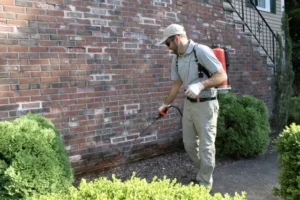
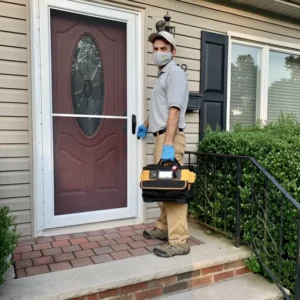
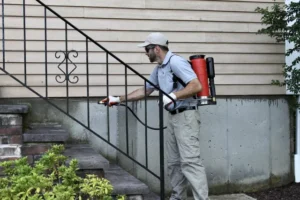
A pest problem rarely starts where the customer first sees it. The trail usually begins somewhere quieter, in the gap beneath a garage side door, around an aging hose bib, behind loose fascia, or at the point where utility lines slip through an exterior wall. By the time ants show up in the pantry or mice start scratching behind the drywall, the real issue has often been in place for months.
That is why experienced technicians spend so much time studying the outside of a structure before they ever reach for a treatment product. The work is not just about removing active pests. It is about reading a building, understanding how local weather affects construction materials, and finding the small failures that allow insects and rodents to move indoors undetected. In Warren County, where homes range from older farmhouses to newer suburban builds, those hidden entry points can vary quite a bit. The strategy has to vary too.
The problem with hidden access points
Most people look for obvious signs. A wasp nest under the eaves is obvious. Roaches in the kitchen are obvious. Carpenter ants dropping frass onto a windowsill are obvious. What is not obvious is the route that made those sightings possible.
Pests are opportunists. A mouse can squeeze through a gap much smaller than most homeowners expect. Certain insects need even less room. Spiders follow prey. Ants follow moisture and food. Stink bugs and overwintering beetles look for shelter as temperatures drop. Termites do not need an open door at all. They need wood contact, moisture, and a path that often stays hidden behind finishes.
When Pest Control Services Warren County professionals inspect a property, they are usually thinking in terms of pressure points rather than isolated sightings. They ask where water collects after rain, where seasonal temperature swings have opened seams, where vegetation touches siding, and where previous repairs may have shifted over time. A single crack does not always create a problem. A crack near moisture, warmth, and food often does.
Why Warren County homes create unique pest pathways
Local conditions matter more than many people realize. Warren County properties often deal with a mix of humid summers, cold winters, heavy rains, and leaf-heavy fall seasons. That combination steadily works on exterior materials. Caulk shrinks. Wood swells and then dries. Soil settles. Door sweeps wear down. Foundation lines that looked tight two years ago can develop enough separation to attract pests.
The age of the home also changes the inspection logic. Older houses may have stone or block foundations, settled porches, aging mortar joints, and additions built in stages over decades. Newer homes may look tighter, but they often include multiple utility penetrations, attached garages, complex rooflines, and decorative exterior details that create sheltered voids. Neither is automatically more vulnerable. They simply fail in different ways.
I have seen very clean, well-maintained properties with serious hidden entry issues because the weak point sat behind shrubs or under deck stairs where nobody had reason to look. I have also seen homes with visible wear that had surprisingly few pest concerns because the owner kept up with sealing, drainage, and trim repairs. Appearance alone is a poor predictor. The building envelope tells the real story.
The inspection starts before the knock on the door
Good pest control often begins in the driveway. Before a technician greets the homeowner, they are already scanning roof edges, tree limbs, foundation grade, and the way the structure meets the landscape. That first look can reveal a lot. If mulch is piled high against siding, if downspouts dump close to the foundation, or if garage weatherstripping is visibly bowed out, the likely pest routes start to take shape quickly.
The exterior walkaround is usually where the most valuable clues turn up. Mud tubes near foundation walls may point to termites. Fine rub marks or greasy streaks along low openings may suggest rodent traffic. Small accumulations of seed hulls in a corner can indicate repeated mouse activity. Bee or wasp movement around soffits may reveal a void behind trim rather than an exposed nest. Ant trails often lead away from the kitchen and toward a window frame, sill plate, or service penetration on the outside wall.
Inside the house, technicians are matching signs to likely access routes. A cluster of dead insects on a basement windowsill tells a different story than activity concentrated around a bathroom vanity. The first may indicate a window seal or sill issue. The second may involve plumbing penetrations and moisture. Skilled technicians connect those dots rather than treating each symptom as a separate event.
The common hidden entry points homeowners miss
There are a few repeat offenders that come up over and over on Warren County properties. They are easy to miss because they often sit in low-visibility areas or look harmless at first glance.
- Gaps where utility lines, cable, or plumbing enter exterior walls
- Worn door sweeps and poorly sealed garage door corners
- Cracks at foundation transitions, especially near porches and steps
- Soffit, fascia, and roofline separations that create sheltered voids
- Window and trim joints that have dried, split, or pulled away
Each one may seem minor, but pests do not need much. Mice use unsealed penetrations behind appliances or near HVAC lines as reliable interior highways. Ants exploit trim gaps where moisture softens surrounding material. Wasps favor sheltered roofline voids that stay dry and warm. Spiders and occasional invaders, such as boxelder bugs and stink bugs, take advantage of seasonal contraction gaps around windows and doors.
One of the more overlooked areas is the garage. Homeowners often treat it as a buffer zone rather than part of the house, but pests rarely respect that boundary. If the garage door leaves daylight at the corners, or the side service door has a damaged sweep, insects and rodents gain access to a large staging area. From there, the step into wall voids, attic space, or the laundry room becomes much easier.
Moisture is often the real invitation
Many pest entry issues are not only about openings. They are about conditions. A gap in a dry, exposed wall may be less attractive than a similar gap near chronic moisture. That matters because homeowners often focus on sealing while overlooking the factor that made the site attractive in the first place.
In Warren County, wet areas around foundations are common after strong rain or snowmelt. If grading slopes toward the house, if gutters overflow, or if downspouts terminate too close to the structure, the lower envelope stays damp longer than it should. That encourages ants, earwigs, centipedes, and in the right conditions, termites. Damp crawl spaces and basement corners can also support springtails and other moisture-loving pests that signal a bigger building issue rather than a simple nuisance.
Technicians who know the local environment pay close attention to these patterns. They are not merely asking, “Where can pests get in?” They are asking, “Why would they choose this side of the house, this opening, and this time of year?” That second question leads to better long-term results.
Exclusion is where durable pest control begins
There is a practical reason professionals talk so much about exclusion. If pests keep finding the same route inside, treatment alone becomes a treadmill. You may knock back the current activity, but the pressure remains. Sooner or later the problem returns.
Exclusion means physically reducing access. Depending on the pest and structure, that can involve sealing gaps, replacing sweeps, screening vents, repairing trim, adding escutcheon seals around penetrations, or correcting construction details that create recurring vulnerabilities. The right material matters. Cheap foam stuffed into a large rodent gap is not a durable fix. It may look better for a month and fail quickly. On the other hand, a carefully fitted combination of metal mesh, sealant, and trim repair can hold up far better under weather and pest pressure.
This is also where judgment matters. Not every gap should be sealed the same way. Some spaces need ventilation. Some need pest-resistant screening that maintains airflow. Some require coordination with a contractor, roofer, or carpenter if the opening is tied to a larger structural defect. A capable pest professional knows where their work ends and when another trade should step in.
Different pests reveal different weaknesses
A strong inspection is partly a process of pattern recognition. The type of pest often points to the kind of entry issue present on the property.
Ants commonly indicate one of two things, sometimes both. There is a food source indoors, and there is a moisture or access issue outdoors. Pavement ants may enter under slabs or along expansion joints. Carpenter ants deserve more attention because they often tie back to damp or decaying wood around windows, decks, or roof edges.
Rodents tell a different story. If mice are showing up in basements, utility rooms, or garages, technicians typically start low and work outward, examining foundation lines, door sweeps, pipe penetrations, and cluttered exterior storage areas. Rats, where they occur, often point to larger structural gaps, drainage problems, or nearby harborage.
Stinging insects, especially yellowjackets and paper wasps, often exploit upper-level voids. A homeowner may notice activity near a bedroom window and assume the nest is on the sash, when in fact the insects are entering through a soffit gap ten feet above and moving through a cavity.
Termites are their own category because their access is often concealed by design. They work from the soil up, and the hidden entry point may be a crack in the slab, a hollow block void, or direct wood-to-soil contact at a porch or fence connection near the home. Visible damage usually means the problem has been developing for a while.
Seasonal shifts change where technicians look
The search pattern in July is not the same as the search pattern in November. Seasonal pressure changes how pests behave and where they try to enter.
During warmer months, technicians spend more time assessing moisture zones, landscaping contact, and active foraging routes. Ants, wasps, and many crawling insects are driven by feeding and nesting behavior. As temperatures cool, the focus often shifts to overwintering entry points. Small gaps at the roofline, window casings, attic vents, and siding transitions become more important because pests are no longer just feeding. They are seeking shelter.
That is why a house can seem fine all summer and then suddenly develop a fall invasion of stink bugs or cluster flies. The opening may have been there all along. The pest pressure simply changed. Experienced Pest Control Services Warren County teams plan inspections with that rhythm in mind. They are not only solving the current complaint. They are anticipating the next seasonal wave.
The role of landscaping and exterior storage
Some of the most productive pest pathways are created several feet away from the house rather than on the wall itself. Dense shrubs trap moisture against siding and hide foundation cracks. Tree limbs that touch the roof can act as bridges for insects and occasionally rodents. Firewood stacked against the home provides harborage and often moisture retention. Decorative stone beds can look neat while still creating ideal edge habitat for ants and spiders if drainage is poor.
This is one area where homeowners sometimes resist recommendations because the changes feel cosmetic or inconvenient. Trimming back shrubs, moving stored materials, or reducing heavy mulch against the foundation may not seem directly related to pest control. In practice, those changes often make the structure easier to inspect, drier at the base, and less inviting overall.
A technician cannot promise that landscaping changes alone will solve every problem. But they frequently reduce pest pressure enough that other treatments and exclusion work last longer and perform better.
What a thorough hidden-entry response usually includes
When a pest issue is tied to hidden access points, the best response is rarely a single visit with a spray can. It is usually a layered plan that addresses both active pests and the reason they keep appearing.
- Detailed inspection of exterior and interior pressure points
- Identification of conducive conditions such as moisture, clutter, or vegetation contact
- Targeted treatment where active pests are present or nesting
- Physical exclusion or repair recommendations for entry sites
- Follow-up to confirm activity has stopped and new routes have not opened
That follow-up piece matters more than many people think. Buildings move. Weather changes. A sealed area can hold while another seam opens two months later on a different side of the house. The best service relationships account for that reality rather than pretending every home can be made permanently pest-proof in one visit.
Why do-it-yourself efforts often miss the mark
Homeowners can certainly catch some problems early. Replacing a worn sweep, trimming back branches, and sealing a visible gap around a hose bib are all sensible steps. The challenge is that many pest entry points affordablepestnj.com Pest Control Services Warren County are not obvious, and many DIY materials are not suited to long-term exterior use.
A common example is over-relying on caulk without understanding movement. If two materials expand and contract differently, a neat bead can crack sooner than expected. Another issue is treating the wrong area. People often spray where they see activity indoors, but the pests may be entering on the opposite side of the house through a hidden route that was never Pest Control Services Warren County addressed.
There is also the matter of species identification. Small black ants are not all the same in terms of nesting habits. Wasp behavior varies by species. Rodent sign can be subtle. Misreading the pest often leads to misreading the entry point. That costs time and usually extends the problem.
Real-world examples from the field
One property had repeat mouse activity every fall despite traps and routine sanitation. The kitchen was spotless. The basement showed almost nothing. The real issue turned out to be a quarter-inch gap at the rear garage door corner where the slab had settled slightly. It did not look dramatic, but it opened into a garage wall void that connected directly to the mudroom. Once that corner was corrected and adjacent gaps were sealed properly, the seasonal activity dropped off sharply.
Another home showed ant trails near a second-floor bathroom window. The owner assumed the insects were simply coming through the sash. The actual source was water intrusion around a roofline trim joint above the bathroom. Carpenter ants had found damp wood in the wall area and were using a narrow fascia separation as their main route. Treating the ants helped in the short term, but the lasting solution involved both targeted pest work and exterior repair.
A third case involved recurring stink bug complaints in an otherwise tight newer home. The clues were subtle. Most activity clustered on sunny afternoons near one upper-story room. Inspection revealed small finishing gaps where siding met trim around a vented architectural feature. Those gaps were easy to miss from ground level. Once screened and sealed appropriately, the indoor sightings dropped the next season.
These are not unusual stories. They are typical of how hidden entry problems behave. The symptom appears in one room. The cause sits somewhere else entirely.
Choosing a service that understands buildings, not just bugs
Not every pest control company approaches hidden entry points with the same depth. Some focus heavily on chemical application and less on exclusion or building detail. There is a place for treatment, and sometimes it is urgent. But if entry points are the true driver, treatment-only service can become repetitive and frustrating.
Homeowners should look for providers who explain what they found, where pests are likely entering, and what repairs or corrections make sense. Clear communication is a good sign. So is restraint. If a technician claims every tiny crack is an emergency without tying it to pest evidence or structural context, that is not especially useful. Good professionals prioritize based on risk, species, and observed conditions.
The strongest Pest Control Services Warren County providers tend to combine field experience with practical realism. They know that a farmhouse from the 1920s and a vinyl-sided colonial from the early 2000s should not receive the exact same recommendations. They understand that budget, timing, and property use matter. A sensible phased plan is often better than an expensive scattershot approach.
Prevention works best when it becomes routine
The homes that stay ahead of pest entry problems are usually not the ones with the most products applied. They are the ones where inspection, maintenance, and timely correction happen regularly. A small trim repair in spring can prevent a midsummer ant issue. A new door sweep before fall can stop a long winter of rodent frustration. Gutter cleaning and downspout adjustment can reduce the moisture conditions that attract several different pests at once.
That kind of prevention is rarely dramatic, but it is effective. It treats the building as a system. Doors, siding, roof edges, drainage, landscaping, and utility penetrations all influence pest pressure. When those details are maintained, pests have fewer chances to turn a minor exterior flaw into an indoor problem.
Hidden entry points are called hidden for a reason. They sit outside normal sightlines and often stay quiet until pest pressure rises. Finding them takes patience, experience, and a sharp eye for the ways homes age in real conditions. When those weak spots are identified and addressed properly, pest control shifts from repeated reaction to durable prevention. That is where the real value lies, and it is why careful inspection remains the foundation of effective pest work in Warren County.
Affordable Pest Solutions LLC
Budd Lake, NJ 07828 (service-area business)
Serving Warren, Morris and Sussex Counties, New Jersey
Phone: +1 973-229-9547
FAQ About Pest Control Services Warren County
How much does pest control cost in NJ?
The cost depends on the pest, the size of the property, the extent of activity and whether follow-up visits are needed. Ask for an inspection and a written estimate that explains the treatment scope and any ongoing service charges. Affordable Pest Solutions offers free estimates for properties in its service area.
What are the most common household bugs in New Jersey?
Ants, cockroaches, stink bugs and spiders are among the pests that residents may encounter in New Jersey homes. Activity varies by season, moisture conditions and available entry points. Correct identification helps determine whether exclusion, sanitation, monitoring or professional treatment is appropriate.
What kind of bugs infest homes?
Ants, cockroaches and termites can establish persistent activity in or around homes. The signs and appropriate response differ by pest: trails, droppings, shed wings or damaged wood may warrant closer inspection. A pest professional can identify the cause and recommend a plan suited to the property.