Entry · Ref PI2O2LXR
Pest Control Services Warren County for Flea and Tick Hotspots
- Posted
- 2026-10-09
- Last amended
- 2026-10-09
- Account
- @tysonuuoi531
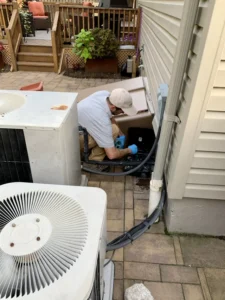
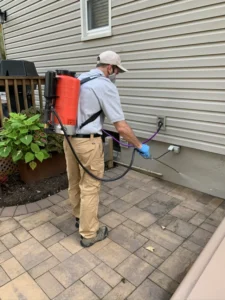
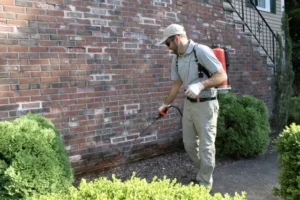
Fleas and ticks rarely announce themselves early. Most infestations start quietly, in the strip of shade behind a fence, under a deck where moisture lingers, or along a worn path where pets cut through the yard every day. By the time a homeowner notices scratching, bites on ankles, or a tick attached after a walk to the mailbox, the problem has usually been building for weeks.
That is why targeted pest control matters more than broad, routine spraying when the issue is fleas and ticks. These pests are not spread evenly across a property. They collect in predictable pockets, and those pockets are shaped by humidity, wildlife traffic, plant cover, pet habits, and simple details like how long dew stays on the grass in the morning. Effective Pest Control Services Warren County homeowners can rely on should begin with that reality. The goal is not to treat every square foot the same. The goal is to find the hotspots, understand why they formed, and interrupt the life cycle where it actually lives.
Why flea and tick problems tend to cluster
People often picture fleas and ticks as a general outdoor nuisance, but in practice they behave more like opportunists with very specific preferences. Fleas thrive where animals rest and where eggs, larvae, and pupae can remain protected from drying sun. Ticks gravitate toward transitional spaces, especially where taller vegetation meets traffic from pets, deer, rodents, or people.
On a typical residential property, that means the sunny center of a mowed lawn may be far less active than the perimeter. The risk increases at fence lines, under shrubs, around crawlspace vents, beneath porches, along brushy edges, and beside outbuildings that attract wildlife. In neighborhoods where homes sit close together, one untreated yard can also influence adjacent properties, especially when feral cats, raccoons, opossums, squirrels, and mice move freely between lots.
The same principle holds on larger rural or semi-rural properties, though the scale changes. Instead of one fence line, there may be a long wooded boundary. Instead of a single pet path, there may be multiple routes to a kennel, barn, play area, or drainage swale. Once you start looking at the landscape through the eyes of a flea or tick, patterns become easier to spot.
The hidden difference between fleas and ticks
Grouping fleas and ticks together makes sense from a service standpoint because many homeowners notice them around the same time, but the control strategy is not identical. Fleas multiply fast and often tie closely to pets, shaded soil, and interior spaces. Ticks move more slowly through their life stages and rely heavily on hosts and habitat. A treatment plan that ignores those differences tends to underperform.
Fleas can become a serious indoor-outdoor problem. A dog rests under a deck, picks up fleas, then carries them into the home. Eggs drop into carpet, cracks in flooring, pet bedding, and upholstered furniture. Outdoors, flea larvae prefer protected locations with organic debris and stable moisture. If a service focuses only on the inside of the house, the yard keeps reseeding the problem. If it focuses only on the yard, pets can continue carrying fleas indoors. You end up chasing the infestation in circles.
Ticks are more tied to landscape management and host movement. They do not jump the way people imagine. They wait on vegetation and attach as an animal or person brushes past. For that reason, the route from the back door to the trash cans may matter more than the whole lawn. So may the strip behind the shed where grass grows a little higher and leaf litter never fully dries.
A technician with real field experience will not promise the same timeline for both pests. Flea pressure can drop quickly with coordinated indoor, outdoor, and pet-focused action, but the full life cycle can still take persistence. Tick control often improves in stages as habitat is modified and active zones are treated consistently during the season of concern.
What creates a hotspot on a Warren County property
You do not need exotic conditions to end up with a hotspot. Most of the time, it comes down to ordinary features that happen to hold moisture and host activity. A yard can look tidy from the patio and still provide excellent cover for pests just beyond the visible center.
The trouble areas I see most often share a few characteristics. They stay cooler than the surrounding lawn. They hold leaf litter or mulch. They collect animal movement. They are hard to mow closely, so vegetation gets a little shaggy. They may also sit near a food source, pet resting area, bird feeder, woodpile, or drainage pattern that keeps the soil damp after rain.
That combination matters because fleas and ticks are vulnerable to drying out. Sun, airflow, and heat work against them. Shade and retained moisture work in their favor. A narrow line of overgrowth behind a detached garage may not seem important to a homeowner, but from a pest perspective it can function like a protected corridor.
One case that comes to mind involved a family who had treated their dog repeatedly for fleas and vacuumed the house obsessively, yet the bites kept returning. The problem was not the main lawn. It was a band of ivy and fallen leaves along the side yard where the dog liked to nap in the afternoon. Once that zone was identified and treated, and the pet care and interior cleanup were aligned with it, the issue finally broke.
The inspection matters more than people think
A good service visit should not begin with a hose and a guess. It should begin with questions. Where does the dog lie down? Which entrance does the family use most? Where are bites happening, indoors or outdoors? Have there been deer sightings near the property? Any stray cats around? Has anyone noticed mice in the garage, crawlspace, or shed?
Those details shape the treatment map. Flea and tick control works best when the inspection is practical rather than theatrical. There is no need for scare tactics. The real value lies in identifying pressure points. On some properties, the highest-risk zone is ten feet from the back step. On others, it is a longer perimeter near woods, ornamental beds, or a drainage edge.
Moisture readings, visual checks of vegetation density, and signs of pet or wildlife activity can tell an experienced technician a lot. So can absence. If the sunny front lawn shows little favorable habitat, there is no reason to oversell that area as a major risk. Precision builds trust and usually produces better results.
Why broad blanket applications are often the wrong approach
Homeowners understandably want relief fast, and many assume that more product over more area must equal better protection. In the field, that is often false. Flea and tick control tends to improve when treatments are concentrated where they matter, paired with habitat correction, and repeated on an appropriate schedule.
Blanket spraying can miss the point if the real breeding and harboring areas remain untouched under low branches, behind stored materials, or in the debris line under a fence. It can also create frustration because the homeowner sees a full-yard treatment and expects instant, total elimination. But neither fleas nor ticks disappear on command just because a service truck made a pass.
A more grounded strategy recognizes trade-offs. Dense ornamental beds may require careful treatment because they protect pests but also contain beneficial plantings. Pet areas demand products and timing that align with label directions and reentry intervals. Properties near water, gardens, or pollinator-friendly landscaping may call for a more selective plan. Professional judgment comes from balancing control with safety, practicality, and the way the family actually uses the yard.
Signs you may have a hotspot rather than a random pest issue
Certain patterns suggest a defined problem area. If bites happen mostly after sitting near one part of the yard, if a pet scratches more after visiting one shaded run, or if ticks are found repeatedly after the same route to the mailbox or firewood stack, that is useful information. Flea dirt on pet bedding, especially when the bedding is near a shaded exit point, can also point to an outdoor source that is feeding an indoor cycle.
Here are some common clues worth paying attention to:
- Pets scratch more after spending time in specific shaded areas
- Ticks are found after using the same walkway or yard edge
- Bites occur around ankles when gardening or near decks and porches
- Wildlife frequently passes through brushy or fenced boundaries
- Leaf litter, mulch, or groundcover stays damp long after rain
These signs do not replace a professional inspection, but they help narrow the search. Many homeowners know more than they think. They have already noticed the routine, they just have not translated it into pest behavior yet.
What effective Pest Control Services Warren County should include
The phrase matters because not all services are built the same. Some companies are excellent at general perimeter pest work but less thorough with flea and tick life cycles. Others understand the biology but apply a one-size-fits-all process that misses property-specific risk. The better providers usually show their skill in the small details, not the sales language.
A solid service plan should address where pests live now and why they are likely to return. That means treatment is only one part of the equation. Homeowners should expect practical advice about mowing height, trimming, leaf litter, pet resting areas, and the role of wildlife. If a technician cannot explain why one side of the yard is being treated differently from another, that is a red flag.
The strongest programs also coordinate with what is happening inside the home. Fleas in particular demand that indoor and outdoor measures support each other. Without that coordination, you can get temporary relief but not stable control.
A thorough service approach usually includes the following elements:
- Inspection of shaded edges, pet zones, vegetation, and wildlife corridors
- Targeted treatment of active hotspots rather than uniform application everywhere
- Guidance on yard correction, including trimming, debris removal, and moisture reduction
- Clear expectations about follow-up timing and what improvement should look like
- Coordination with pet care and, when needed, interior flea management
That last point is often where results are won or lost. A yard treatment cannot compensate for untreated pets, and pet treatment alone may not solve an established outdoor hotspot. Everything has to move in the same direction.
Yard conditions that quietly drive infestations
Some of the most stubborn properties are not neglected. They are simply designed in ways that create perfect cover. Thick foundation plantings can trap humidity. Decorative stone borders may hide pockets of organic debris beneath them. Raised decks often create a calm, shaded void where animals rest. Children’s play sets can do something similar, especially when they sit over mulch or packed soil that stays cool most of the day.
Mulch deserves special mention. It is useful, attractive, and often necessary around plantings, but excessive mulch depth and poor airflow can support flea development in the right conditions. That does not mean mulch is bad. It means it should be managed. The same is true for groundcover plants and dense shrubs. When they are maintained well, they may pose little issue. When they become matted and difficult to inspect, they start functioning like shelter.
Then there is wildlife. Many homeowners focus on deer with ticks, and that is reasonable, but small mammals are just as important in some settings. Mice, chipmunks, and other animals move through low cover and can support tick populations close to the house. Stray cats and raccoons can contribute to flea pressure in sheltered exterior zones. If food sources are available, such as uncovered trash, accessible pet food, or heavily used bird feeders, the pressure can rise.
Timing matters more than a single treatment
One of the more common misunderstandings is the idea that flea and tick control should be solved in one visit. Sometimes a light issue in a well-maintained yard responds quickly. More often, meaningful control comes from a sequence. Initial treatment reduces active pressure. Follow-up treatments target newly emerged pests and reinforce the corrected zones. Meanwhile, the homeowner adjusts habitat conditions so the property becomes less welcoming over time.
That timeline is especially important with fleas because of their life stages. Adults are only part of the population. Eggs and immature stages may already be present in the environment. If you kill the active adults but do nothing to interrupt the next wave, the homeowner may think the treatment failed when, in fact, the biology simply caught up to them.
Ticks can be similarly deceptive. A property may feel improved, then a family dog picks one up along an unmanaged edge weeks later. That does not necessarily mean there was no progress. It may mean the highest-risk corridor needs additional work, or that adjacent habitat continues feeding the problem. Good providers set expectations honestly. They do not promise a pest-free universe. They aim to reduce exposure sharply and keep pressure manageable with a plan that fits the property.
The pet factor cannot be treated as separate
Any conversation about fleas that skips pet management is incomplete. If a dog or cat is unprotected, the yard and the house remain vulnerable. At the same time, even well-treated pets can still bring pests into contact zones before the pests die. That is why homeowners sometimes think a veterinary product is not working when the real issue is environmental buildup.
Coordination matters. The best results usually come when the homeowner follows veterinary guidance for pet protection while the pest control plan addresses the property itself. Bedding should be cleaned appropriately. Vacuuming indoors can help remove eggs and debris, especially in places where pets rest. Outdoor lounging areas may need extra attention. When those steps happen together, relief tends to come faster and last longer.
This is also where service providers should be careful not to overstep. Pest professionals can explain how environmental pressure affects pets, but medical guidance belongs with the veterinarian. A trustworthy company knows the line and works within it.
What homeowners can do between service visits
Professional treatment carries the heavy load, but property habits make a real difference. You do not need to redesign the whole yard. Small corrections often matter most when they target the exact places pests prefer.
Start with shade and moisture. If branches hang low and block airflow near the ground, lift them where practical. If leaves collect under shrubs or along fences, clear them Pest Control Services Warren County before they become a permanent damp layer. If pets rest in one dusty, sheltered corner every day, examine that area first instead of spreading effort across the entire property.
Mowing helps, but it is not magic. A neatly cut lawn can still border a highly active edge. Likewise, a wildflower area or naturalized border is not automatically a problem if it is planned and separated from routine traffic. The issue is unmanaged contact between people, pets, hosts, and favorable pest habitat.
Choosing a provider without getting sold a script
Most homeowners are not looking to become flea and tick experts. They want a provider who can diagnose the problem clearly, act responsibly, and stand behind the work. The challenge is that many sales conversations sound similar. The differences show up in how specific the company gets.
Ask how the technician identifies hotspots. Ask whether pet areas, shaded borders, and wildlife movement change the treatment plan. Ask what you should realistically expect after the first visit and what conditions would justify follow-up. If the answers stay vague, or if every yard supposedly gets the same package regardless of layout, that is worth noticing.
The best Pest Control Services Warren County residents tend to appreciate are the ones that explain the property back to the homeowner. They can point to the deck skirt, the damp bed behind the HVAC unit, the run along the fence, the brushy corner by the shed, and say, in plain language, why those areas matter. That kind of specificity usually signals real experience.
When the problem keeps coming back
Recurring flea and tick issues usually have a reason. Sometimes it is incomplete treatment. Sometimes it is untreated pets or overlooked indoor activity. Sometimes it is neighboring habitat, heavy wildlife traffic, Pest Control Services Warren County or a feature of the property that quietly resets the problem after every rainfall and every warm spell.
Repeated failure does not always mean stronger chemicals are needed. Often it means the original map was wrong. If the treatment focused on visible lawn while the actual hotspot lived under evergreen shrubs and behind stacked lumber, the pressure never really dropped where it counted. A fresh inspection, especially one that traces pet behavior and edge habitat more carefully, can change the outcome.
There is also value in seasonal awareness. Flea and tick pressure can rise and fall with temperature, moisture, and host activity. A yard that seems fine in one stretch of weather can become risky after a humid period or after wildlife patterns shift. That is another reason one-time thinking often falls short.
A practical standard for success
For most homeowners, success is not measured by laboratory terms. It is measured by being able to let the dog out without constant worry, sit on the patio without ankle bites, and move through the yard without finding ticks after every trip. That is an achievable standard when the work is thoughtful.
Hotspot control is rarely glamorous. It is inspection, pattern recognition, targeted treatment, and follow-through. It is knowing that the prettiest part of a yard may have little to do with the problem, while the narrow, shaded strip nobody thinks about may be the entire story. When a provider understands that, flea and tick control becomes far more efficient, and far less frustrating for the family living with it.
Affordable Pest Solutions LLC
Budd Lake, NJ 07828 (service-area business)
Serving Warren, Morris and Sussex Counties, New Jersey
Phone: +1 973-229-9547
FAQ About Pest Control Services Warren County
How much does pest control cost in NJ?
The cost depends on the pest, the size of the property, the extent of activity and whether follow-up visits are needed. Ask for an inspection and a written estimate that explains the treatment scope and any ongoing service charges. Affordable Pest Solutions offers free estimates for properties in its service area.
What are the most common household bugs in New Jersey?
Ants, cockroaches, stink bugs and spiders are among the pests that residents may encounter in New Jersey homes. Activity varies by season, moisture conditions and available entry points. Correct identification helps determine whether exclusion, sanitation, monitoring or professional treatment is appropriate.
What kind of bugs infest homes?
Ants, cockroaches and termites can establish persistent activity in or around homes. The signs and appropriate response differ by pest: trails, droppings, shed wings or damaged wood may warrant closer inspection. A pest professional can identify the cause and recommend a plan suited to the property.