Entry · Ref FBVJPLTP
Pest Control Services Warren County for Property Managers and Landlords
- Posted
- 2026-10-09
- Last amended
- 2026-10-09
- Account
- @tysonuuoi531
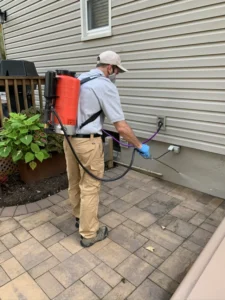
Property management has a way of turning small oversights into expensive problems. A slow leak becomes drywall damage. A missing soffit vent turns into squirrel access. One tenant leaves a bag of trash on a rear porch, and a few weeks later you are dealing with mice, flies, and a phone that will not stop ringing. Pest issues sit in that same category. They escalate fast, spread quietly, and rarely stay confined to one unit or one building.
For property managers and landlords, pest control is not just a maintenance line item. It affects occupancy, resident retention, online reviews, turnover timelines, repair costs, and in some cases legal exposure. That is especially true with multi-family properties, older homes converted into rentals, student housing, and scattered-site portfolios where conditions vary from one address to the next. The practical value of strong Pest Control Services Warren County owners can rely on is not simply that pests are removed. It is that the service protects the operating performance of the property itself.
The landlords who handle this well usually do not think of pest control as a one-time rescue. They treat it like roofing, plumbing, and HVAC. It is part of a broader property preservation plan. That mindset tends to produce fewer emergencies, smoother tenant communication, and more predictable costs over the course of a year.
Why pest issues hit rental properties harder
In an owner-occupied home, the person living with the problem usually notices it early and takes action quickly. In a rental, there are more moving parts. A tenant may delay reporting because they are embarrassed, uncertain whether the issue is their responsibility, or worried they will be blamed. In a multi-unit building, one resident may keep an immaculate apartment while a neighboring unit creates ideal conditions for roaches or bed bugs. In a single-family rental, an overgrown fence line or overflowing crawl space moisture can go unseen between inspections.
That lag time matters. Mice can establish nesting areas in wall voids faster than most owners realize. Cockroach activity often starts in kitchens and utility chases, but once populations build, they spread through plumbing penetrations, behind baseboards, and into common walls. Wasp nesting can seem minor until turnover crews or tenants start using decks, sheds, attic spaces, or exterior entries again. Termite or carpenter ant activity can remain hidden long enough for repairs to become far more invasive than the original treatment would have been.
What makes rental housing different is not only the biology of pests. It is the management reality around them. Scheduling access, documenting reports, separating sanitation issues from structural ones, and deciding who pays for what all add complexity. A technician can solve the pest issue itself, but property managers still need a process that supports the treatment plan.
The pests landlords see most often, and why they keep returning
Most infestations are not random. They follow patterns tied to moisture, food availability, shelter, and entry points. In Warren County, landlords commonly face recurring pressure from ants, cockroaches, mice, rats, spiders, stinging insects, occasional invaders like stink bugs, and wood-destroying pests in susceptible structures. Bed bugs are in a category of their own because they are introduced differently and require a more specialized response.
Mice are one of the most persistent problems in rentals because they need very little space to enter and very little food to stay. A gap around an AC line set, an uncapped utility penetration, or worn weatherstripping at a back door can be enough. Once inside, they take advantage of the hidden spaces landlords often do not see during a normal walk-through, under tubs, behind cabinets, in attic insulation, inside drop ceilings, and around water heaters.
Cockroaches follow a different pattern. German roaches, in particular, tend to thrive where there is warmth, moisture, and regular food residue. That can mean a unit with poor housekeeping, but it can also mean a clean tenant living next to a problem unit in an older building with shared walls and pipe chases. Property managers sometimes underestimate how often the building itself contributes. Loose escutcheon plates, cracked caulk, damp cabinet voids, and refrigerator condensate can all sustain an infestation even after a tenant makes improvements.
Ants are frequently dismissed as minor until they become a constant complaint. What matters is species behavior. Some ants trail in from landscaping or foundation gaps and are relatively straightforward to manage with exterior treatment and exclusion. Others, such as carpenter ants, may signal moisture-damaged wood and deserve a closer look. That is where experienced Pest Control Services Warren County providers can add real value. They do not just spray a baseboard. They read the structure and the conditions around it.
Stinging insects create a different kind of risk. The issue is not only nuisance. It is safety, especially near entryways, mailboxes, playgrounds, dumpster enclosures, and maintenance sheds. One neglected nest under a stair landing can turn into an incident with a tenant, a delivery driver, or a vendor. Timing matters here because early nest removal is far easier than trying to control an established colony in peak season.
Termites and carpenter ants deserve special attention because they are easy to miss during routine management. A tenant may report “flying ants” by a window, but what they actually saw could be swarmers. A bit of Pest Control Services Warren County blistered trim or soft sill plate in a basement might be dismissed as age. Good pest service is partly about treatment, but just as much about recognition. The right technician often spots the warning signs before they show up in a major contractor estimate.
What good service looks like from a landlord’s side
Property managers do not need a company that simply checks a box and leaves a ticket on the door. They need a service partner who understands access issues, tenant sensitivities, documentation needs, and the operational tempo of rentals.
The first sign of good service is thorough inspection. That sounds obvious, but there is a difference between someone applying product because a complaint was logged and someone tracing the underlying cause. On a mouse call, for example, a useful technician does not stop at setting traps in the kitchen. They inspect utility entries, attic hatches, garage thresholds, crawl space vents, and exterior grade lines. On a roach call, they ask whether neighboring units have had activity, whether recent turnover left appliances in place, and whether there are plumbing leaks or chronic condensation.
The second sign is clear documentation. Property managers need notes that are actually useful later, especially if complaints repeat. “Treated unit for pests” is not enough. Better records mention the pest identified, evidence found, areas inspected, conditions contributing to activity, actions taken, and follow-up recommendations. That level of detail helps managers decide whether the problem was resident-driven, building-driven, or both.
The third sign is consistency. Emergency response matters, but a strong provider is most valuable when they reduce emergencies in the first place. Regular service routes, seasonal inspections, and recurring communication often reveal patterns that one-off calls never catch. A tech who visits a site throughout the year notices that the rear dumpster gate does not latch, that mice activity spikes near one row of garages each fall, or that wasps repeatedly nest under the same breezeway because a soffit repair was never completed.
The tension between tenant responsibility and owner responsibility
This is where many rental pest situations become contentious. Most infestations involve a mix of behavior and building conditions. A tenant may contribute by leaving food out or failing to report leaks. The property may contribute through unsealed penetrations, moisture problems, aging siding, damaged door sweeps, or poor trash management.
In practice, trying to force every case into a simple fault category is rarely productive. The better approach is to separate immediate control from longer-term accountability. First, get the pest issue under control so it does not spread. Then identify the contributing conditions and document them. If sanitation is a major factor, communicate that specifically and professionally. If exclusion or structural repair is needed, schedule it promptly. Infestations grow when everyone argues before anyone acts.
Experienced landlords know that speed matters more than winning the first debate. A delayed response on bed bugs, roaches, or rodents often leads to neighboring units becoming involved, and that raises cost dramatically. It also weakens your position with residents because the complaint starts to look like neglect rather than a manageable maintenance issue.
Why turnover periods are the best time to get ahead
Turnovers are expensive, but they are also the cleanest window for prevention. When a unit is vacant, technicians can inspect freely, move appliances if needed, treat cracks and voids more effectively, and identify conditions that are difficult to access once a tenant moves in. Managers who wait until a new resident reports activity usually pay more in both treatment complexity and goodwill.
A vacant-unit pest inspection often reveals issues that ordinary cleaning misses. Behind the range there may be grease buildup supporting roaches or ants. Under the sink there may be moisture damage and wall gaps. In basement apartments or lower-level storage, there may be droppings along sill plates, torn insulation, or foundation penetrations hidden by shelving. Exterior checks may show vine growth against siding, wood-to-soil contact, clogged gutters, or failing weather seals at service doors.
This is also the ideal moment to coordinate with maintenance. Pest control recommendations are far more effective when paired with small repairs at the same time. Caulking around plumbing, adding door sweeps, screening vents, adjusting thresholds, improving drainage, and trimming vegetation near the structure are not glamorous jobs, but they consistently reduce call volume later.
Multi-family properties need a different playbook than single-family rentals
A duplex or apartment building does not behave like a stand-alone house. Pests can move through wall voids, attic spaces, pipe runs, utility chases, and shared foundations. That changes both treatment strategy and communication.
In single-family rentals, exclusion and exterior management often solve a large share of recurring pest pressure. In multi-family housing, that still matters, but interior coordination becomes more important. If one unit is treated for roaches while an adjacent unit with the same conditions is left uninspected, the problem often persists. The same is true for mice in connected attic or basement spaces.
Property managers sometimes hesitate to broaden service because they are trying to contain cost. That is understandable, but partial treatment can become the more expensive option if it leads to repeated callbacks and frustrated tenants. A good vendor should explain when a complaint appears isolated and when it likely reflects a building-wide issue. That judgment call is one of the most practical reasons to invest in experienced Pest Control Services Warren County landlords can use across different asset types.
Bed bugs require discipline, not panic
Few pest calls make landlords more anxious than bed bugs. The emotional temperature rises fast because residents are distressed, online reviews can turn harsh, and there is often confusion about where the bugs came from. The most useful response is calm, precise action.
Bed bugs are usually introduced through people and belongings rather than through poor sanitation. That distinction matters because it changes how you communicate. Blame-driven language makes cooperation worse. Residents are more likely to follow preparation instructions and report accurately when they are not being shamed.
Successful treatment depends on verification, preparation, and follow-through. Misidentification is common. Not every bite complaint is bed bugs, and not every dark speck on a mattress seam is evidence. Once activity is confirmed, instructions need to be specific and manageable. Vague demands to “clean everything” often cause residents to scatter belongings in ways that complicate treatment. The better providers explain exactly what must be bagged, laundered, reduced, or left in place, and they communicate in plain language.
Managers should also be realistic about timeline. Bed bug resolution can require multiple visits depending on severity, clutter levels, adjacent-unit risk, and resident compliance. Overpromising a fast fix creates more conflict than being honest from the beginning.
Cost control starts before the first service call
Owners often ask how to keep pest costs from creeping up year after year. The answer is less about finding the cheapest invoice and more about reducing the conditions that trigger repeated work.
The most reliable cost savings usually come from a handful of practical habits:
- inspect vacant units before make-ready is complete
- seal obvious entry points during routine maintenance, not months later
- respond early to moisture issues under sinks, at water heaters, and around HVAC equipment
- keep trash areas clean and properly contained
- document pest complaints with photos, dates, and neighboring-unit context
None of those steps are complicated. What makes them effective is consistency. A manager with fifty units does not need perfection in every apartment. They need systems strong enough that the same small problems do not keep becoming expensive service calls.
There is also a budgeting advantage to preventive service agreements, especially for portfolios with recurring seasonal pressure. Not every property needs the same plan. A newer single-family home on a tight lot may need far less intervention than an older brick fourplex with mature landscaping, basement moisture history, and shared walls. The best service plans are adjusted to the structure, the complaint history, and the occupancy pattern rather than sold as a one-size-fits-all package.
The communication piece most landlords underestimate
Even excellent treatment can feel like poor service if communication breaks down. Tenants want to know what is happening, whether they need to prepare, whether the products are safe when used properly, and when they should expect improvement. Property managers want confirmation that access occurred, notes on what was found, and a realistic follow-up plan.
This is where many vendor relationships either strengthen or fall apart. A technician may do good work in the field, but if the office does not relay preparation instructions clearly, or if visit summaries arrive vague and late, the manager still ends up doing cleanup on the administrative side.
Some of the smoothest pest accounts I have seen worked well because expectations were defined early. The owner knew which issues were emergency response, which were part of routine service, how tenant notices would be handled, and what level of documentation would follow each visit. That kind of operational clarity prevents a lot of avoidable frustration.
Choosing a provider for Warren County properties
Not every company is built for rental portfolios. Some are excellent with owner-occupied homes but less prepared for multi-unit scheduling, tenant coordination, or recurring documentation needs. When evaluating Pest Control Services Warren County property owners may use, it helps to think less like a homeowner and more like an operations manager.
Here are a few questions worth asking before you commit:
- How do you handle multi-unit inspections when one complaint may affect adjacent units?
- What information is included in your service notes after each visit?
- Can you coordinate with property managers on access windows, tenant prep notices, and reservice follow-up?
- What exclusion or corrective recommendations do you typically provide beyond chemical treatment?
- How do you handle recurring issues that suggest a structural or sanitation pattern rather than an isolated incident?
Those questions reveal a lot. You are listening for practical answers, not sales language. A capable provider should be comfortable discussing scope, limitations, and the difference between treatment and prevention. They should also be willing to say when a carpenter, plumber, cleaner, or roofer needs to be part of the solution.
Seasonal pressure changes the workload
Pest pressure does not stay constant through the year, and rental planning works better when that is acknowledged. Warmer months often bring ants, wasps, flies, and general exterior insect activity. Cooler months tend to increase rodent pressure as animals seek shelter indoors. Wet periods can amplify moisture-related conditions that support certain pests, especially in basements, crawl spaces, and around poorly drained foundations.
For landlords, the practical takeaway is not that every property needs year-round alarm. It is that service timing matters. Exterior inspections before peak stinging insect season, rodent exclusion before colder weather, and crawl space or basement checks after prolonged moisture events often produce better outcomes than waiting for complaints. Preventive attention is rarely dramatic, but it is usually cheaper.
What makes the best results stick
The strongest pest outcomes in rental housing come from coordination. The pest technician identifies the activity and treats it appropriately. Maintenance closes access points and fixes moisture issues. Management communicates expectations to residents and ensures access. Housekeeping or turnover crews address sanitation where needed. When even one of those links is missing, the same problem tends to return.
That is why the best pest service relationships feel less transactional over time. The provider learns the property, the manager learns the recurring pressure points, and the building gradually becomes less hospitable to pests. Calls become more predictable, emergencies less frequent, and residents less likely to encounter the kind of problem that turns into a lease renewal issue.
For landlords and property managers, that is the real value of dependable Pest Control Services Warren County portfolios need. It is not just fewer bugs or rodents on a given day. It is a property that operates with fewer surprises, lower friction, and better protection for the asset over the long run.
Affordable Pest Solutions LLC
Budd Lake, NJ 07828 (service-area business)
Serving Warren, Morris and Sussex Counties, New Jersey
Phone: +1 973-229-9547
FAQ About Pest Control Services Warren County
How much does pest control cost in NJ?
The cost depends on the pest, the size of the property, the extent of activity and whether follow-up visits are needed. Ask for an inspection and a written estimate that explains the treatment scope and any ongoing service charges. Affordable Pest Solutions offers free estimates for properties in its service area.
What are the most common household bugs in New Jersey?
Ants, cockroaches, stink bugs and spiders are among the pests that residents may encounter in New Jersey homes. Activity varies by season, moisture conditions and available entry points. Correct identification helps determine whether exclusion, sanitation, monitoring or professional treatment is appropriate.
What kind of bugs infest homes?
Ants, cockroaches and termites can establish persistent activity in or around homes. The signs and appropriate response differ by pest: trails, droppings, shed wings or damaged wood may warrant closer inspection. A pest professional can identify the cause and recommend a plan suited to the property.